
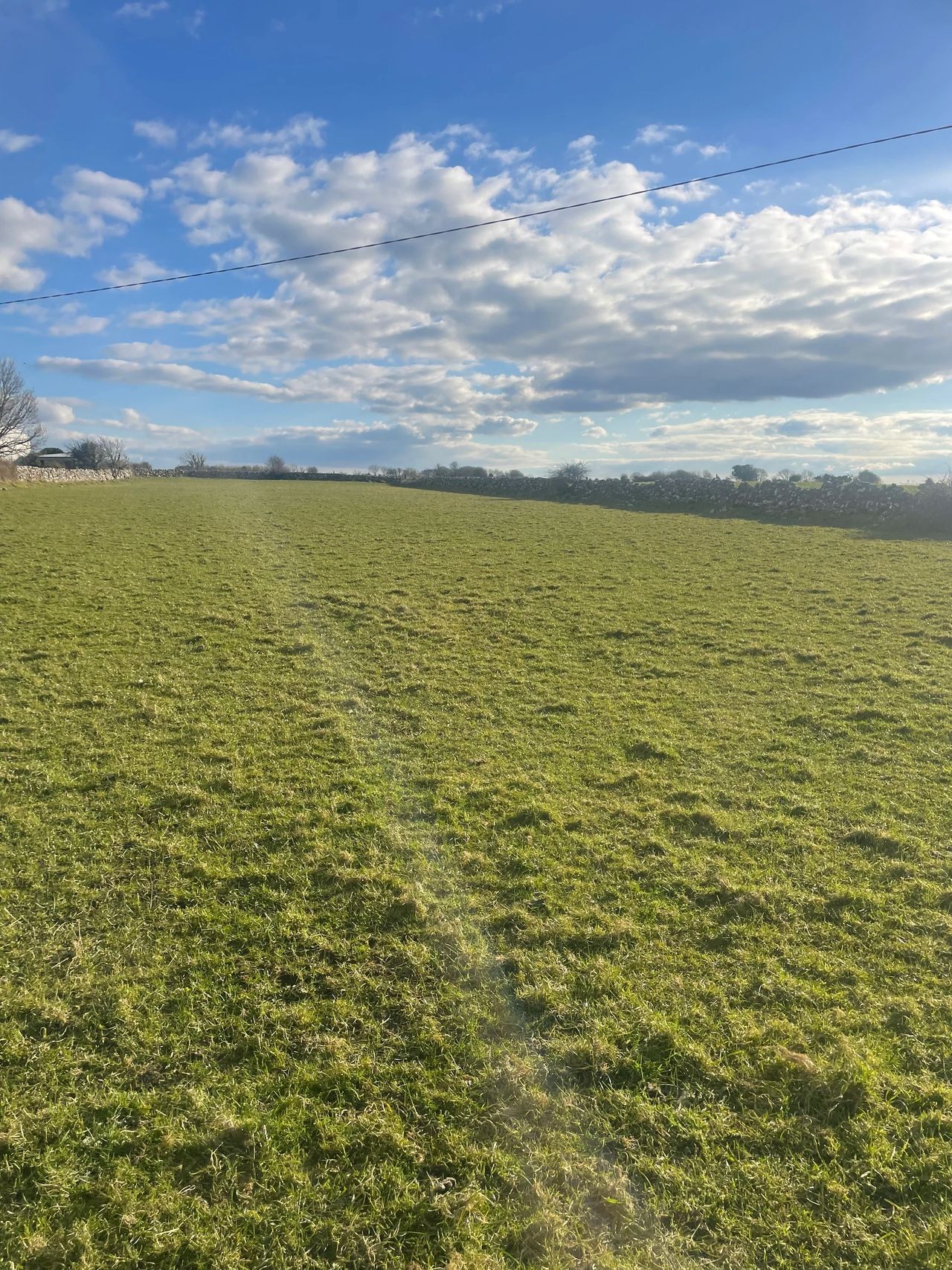
The decision to buy a site for your new build project is one that requires careful planning and consideration. There are many factors to consider but we will try to address some of those key factors in this article.
Site form and layout
It seems obvious but certain sites are just not conducive with approved housing designs or planning requirements for an area. While most home designs can be adjusted and oriented to achieve your desired layout, planning considerations will always be the focus, and buyers should be aware of potential downfalls. For example, sites with the following are generally preferred from a planning perspective regarding new builds:
-
Gently sloped and adjacent to an existing roadway, preferably a local or regional road.
-
Adequate sightlines in both directions from the proposed entrance, taking the road type (Local Primary, Secondary or Regional) into account to ensure the varying sightline distances can be met for the relevant road type.
-
A site that has adequate width to allow comfortable external movement space i.e., will your hard standing area surrounding your new home have to be greatly reduced or leave you with “wasted” garden space.
-
A site needs sufficient area for a suitable wastewater treatment system and percolation if building in a rural area.
Site soil characteristics
Next on the checklist should be the site soil characteristics. While most buyers will most likely not be commissioning site investigation of a potential site, it is worthwhile to investigate the following:
-
EPA GIS and GSI map viewers offer free online services for checking subsoil conditions across Ireland. These should be taken as broadly accurate but cannot account for changing subsoil conditions over small areas which is common in certain parts.
-
Other resources offered within the above online tools indicate nearby water courses, wells, boreholes and other items that may affect the site from a planning perspective. Sites near water courses may have potential to flood during high rainfall and raise other salient concerns that affect more than just planning approval.
-
County Council Planning portals provide information on all planning applications made within an area and if there are properties near to the subject site, it may be worthwhile to review these files.
Note the above is informative and should not to be taken as fully applicable to your potential site.
Next up are onsite checks which can be as or more useful than some online resources. Some of these are listed below:
- Following a walk of the site, how does the ground appear underfoot.
o Is it “spongy” or “springy” possibly indicated a cohesive clay or maybe a peat layer?
o Is it heavy and holding groundwater near the surface possibly indicating poor permeability which will affect both your build and wastewater system. It is useful to walk other areas for comparison purposes or you can contact the team AES for further guidance.
o Is there a presence of rushes? Bulrushes often indicate soils are underlain by a peaty layer.
o Discussions with locals, where possible, can also be useful to gather more information on the subject site.
Other factors to consider when choosing a site for your new home
Some of the basic checks are covered in this blog but the list really does go on. Depending on the location of the site and your ties or lack thereof to it, you may not meet requirements under your County Development plan. The presence of accessible services, Special Areas of Conservation, areas of archaeological interest and so on also affect the viability of a potential site. While outside of planning requirements, many sites also present financial implications depending on subsoil condition etc.
AES also offer a free consultation for those starting their new build journey and are contactable through our website contact form or directly at info@aesolutions.ie
← All articles